
Certified Coin
A certified coin has been authenticated and graded by an independent grading service and sealed in a labeled holder recording its grade.
A certified coin is one that an independent grading service has authenticated, graded on the 1 to 70 Sheldon scale, and sealed in a labeled holder with a unique certification number. The two services most widely recognized in the US market are NGC and PCGS.
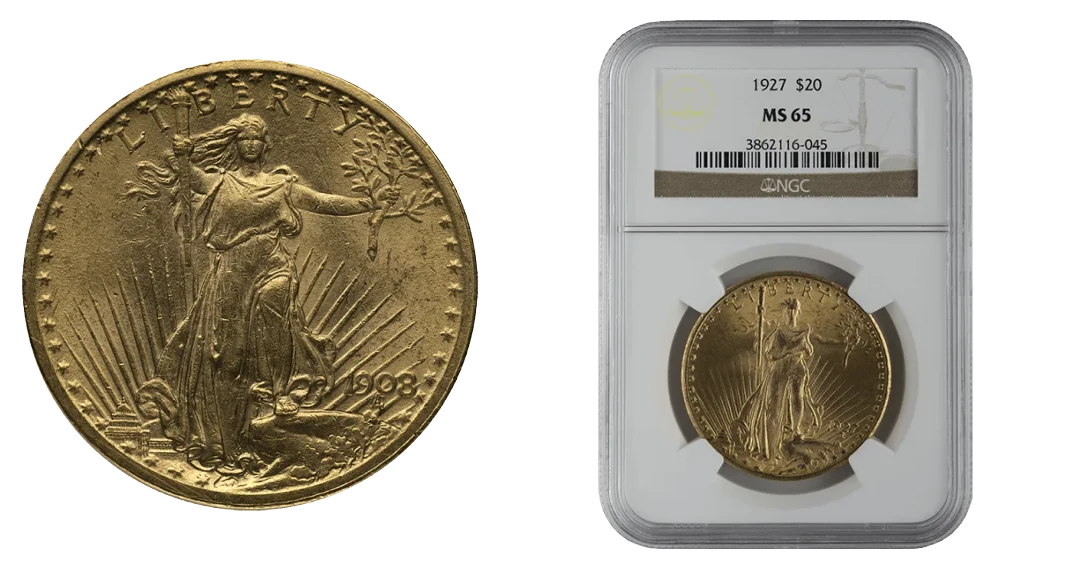
- Raw
- Certified
Certification answers two questions at once. The first is whether the coin is genuine, which matters on pre-1933 US gold and on scarce Morgan dollar issues where counterfeits and altered mint marks exist. The second is condition, assessed by graders who look at many examples of the same issue and apply a consistent standard.
The practical effect is liquidity. A certified coin can be bought and sold sight-unseen, because both parties are working from the same description. An ungraded, or raw, coin has to be examined in person and priced with a margin for disagreement about its condition.
Certification is not free and does not make sense for everything. Common bullion held for metal content generally does not benefit, since it trades on weight. It matters most on older US gold and silver dollars, on modern Eagles submitted in hope of a top grade, and on anything being sold to a buyer who cannot inspect it. The holder itself is often called a slab.
Texas Bullion Exchange can review your coins and advise on whether grading is worth pursuing.