
Mint Mark
A mint mark is a small letter on a US coin identifying the facility that struck it, such as D for Denver, S for San Francisco, or W for West Point.
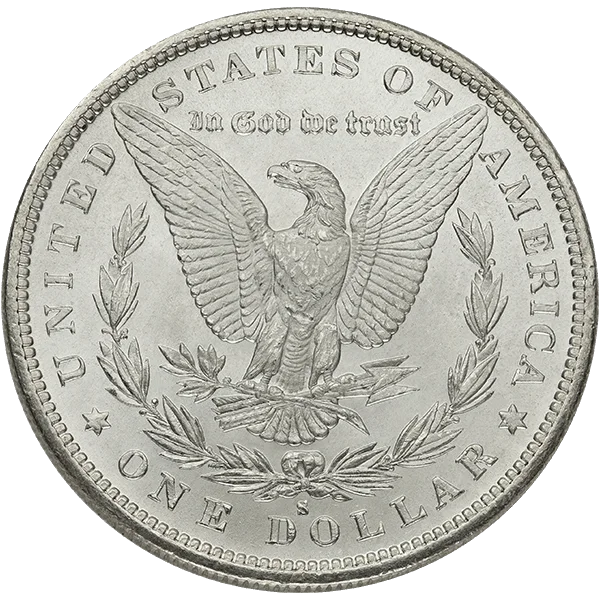
A mint mark is a small letter placed on a coin to identify the United States Mint facility that struck it. On the coins most buyers of US gold and silver encounter, the marks are P for Philadelphia, D for Denver, S for San Francisco, W for West Point, and CC for the Carson City Mint.
Philadelphia is the exception to the pattern. For most of its history it used no mint mark at all, so an unmarked coin is generally a Philadelphia product. Modern issues sometimes carry a P.
The mint mark matters because a coin's date and mint together identify the specific issue. Two Morgan silver dollars of the same year struck at different facilities are separate issues with separate collector followings, and Carson City Morgans are the best known example of a mint mark driving demand. On modern products, W identifies West Point, which strikes the proof and burnished American Gold and Silver Eagles, while standard bullion Eagles are issued without a mint mark.
Mint mark placement varies by series, so knowing where to look is part of identifying a coin. Because the letter is small and has been faked on scarce issues, a certified coin in a graded holder settles the question. Mint mark is also central to what collectors call a key date.
Bring your coins to Texas Bullion Exchange for a free appraisal if you are unsure what you have.